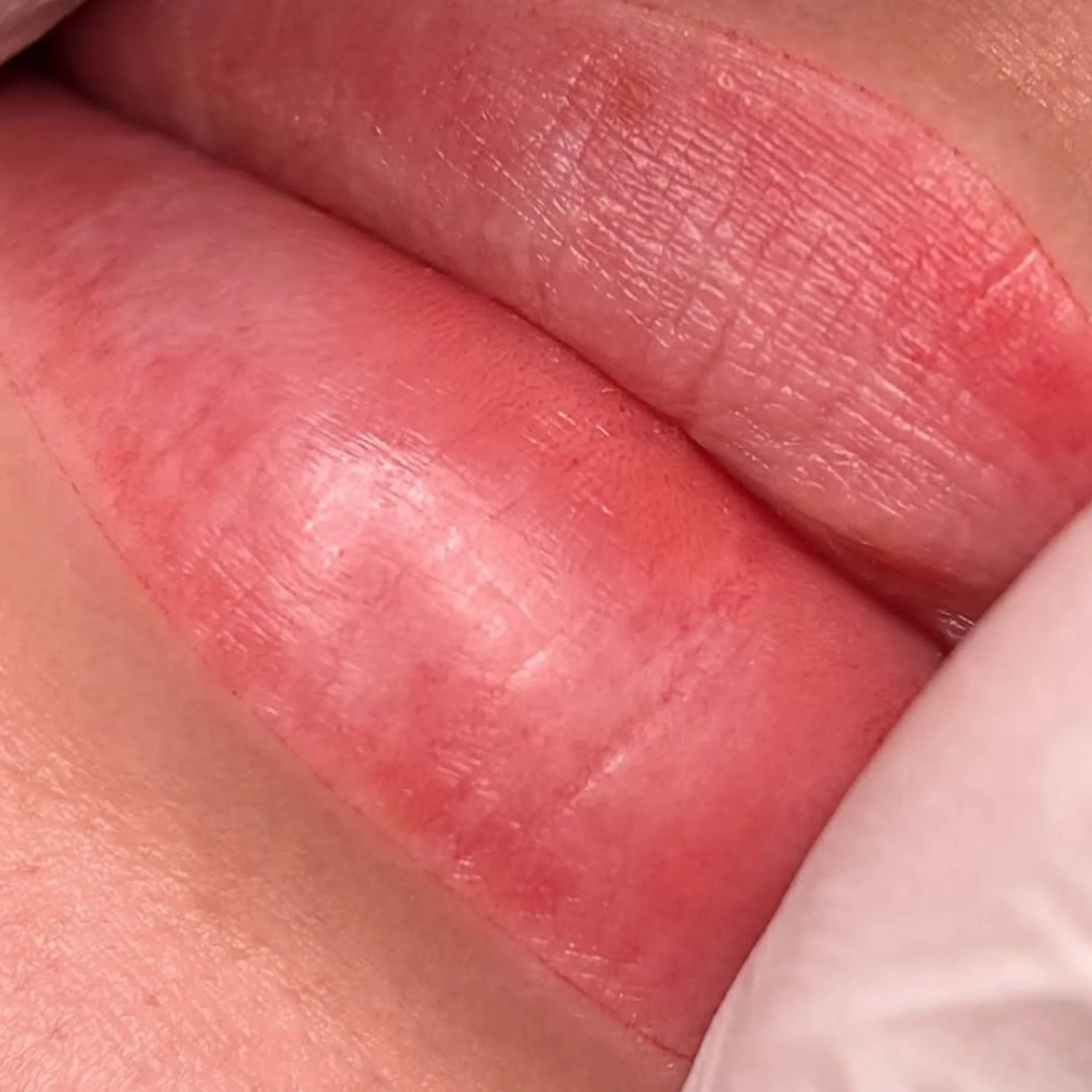
There is no one national licence for cosmetic tattooing in Australia, which is why the regulations from state to state can be hard to make sense of. In most cases it will come down to the local municipal council, the type of treatment on offer and where the business is based, be that a home salon, commercial clinic or tattoo studio.
Aurelia Wallace has put together this guide to set out the practicalities in NSW, Victoria, Queensland, SA, WA, Tasmania, the ACT and the Northern Territory. As with any rules they are subject to change, so use this as your reference for the principal legal avenues but do not open or book a clinic without first verifying the final requirements with the appropriate health authority or council.
Contents
- 1 What is different in 2026?
- 2 Is a licence required of artists?
- 3 How the jurisdictions compare
- 4 Compliance in New South Wales
- 5 Victoria Compliance Essentials
- 6 Queensland Registration Basics
- 7 South Australia And Beyond
- 8 ACT And Northern Territory Rules
- 9 Build A Safer Compliance Process
- 10 Common Questions Answered
- 11 Make The Legal Check First
What is different in 2026?
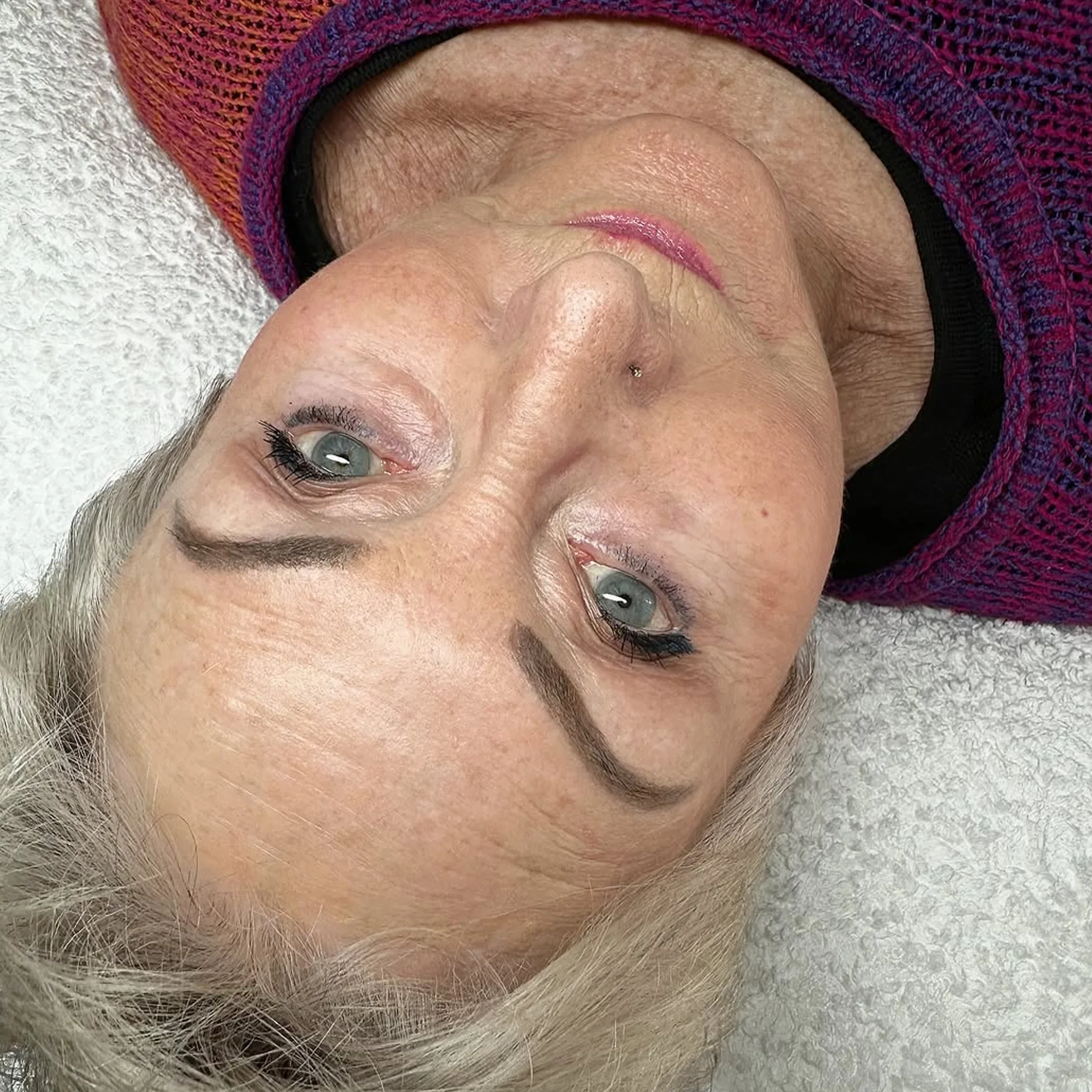
Do not expect to see an Australia-wide licence. The emphasis is on the rules governing skin penetration, body art and personal appearance services, as well as infection prevention and premises approval. These categories can include lip blush treatment.
People are often caught napping over the distinction between having a qualification and being legally permitted to trade. You may have a certificate attesting to your competence but that is not the same thing as the registration or licence the local council or health department will want to see.
One country, yet the rules vary
With eight states and territories there is no uniformity when it comes to tattooing and other skin penetration services. Add in the separate planning and inspection demands of local councils and the picture becomes more complex.
You might satisfy the state’s health obligations to carry out a procedure but still be in need of council sanction to work from a given address. Running a home salon will entail more red tape than a room in an established clinic. It is not the most appealing part of the job, then again neither is having to tell a client the inspector has put a stop to your treatment room.
Is a licence required of artists?
Australia does not hand out a single cosmetic tattoo licence to every practitioner. What is called for is normally a good qualification, proof of infection-control training and the necessary registration for your location.
The procedure dictates the pathway. With eyebrow and eyeliner tattooing, lip blush and pigmentation, you are putting needles and pigment into the skin; that is viewed with more gravity than a simple makeup application.
Competence and qualifications
Not all jurisdictions in Australia have the same demands of a cosmetic tattoo artist. Any worth their salt will have undergone training in colour theory, skin anatomy, contraindications, safe use of the needle, blood-borne risks and how to consult and aftercare a client.
An infection-control certificate is only part of the story. One should enquire if the course covered supervised practicals and how to deal with complications. There is a world of difference between acing an online quiz and being able to work safely on a person’s face.
Getting your premises in order
Depending on the case, the owner, operator or both will be required to have the council’s approval, a hygiene inspection or the like.
Make a point of speaking to the council before you put pen to paper on a lease or put aside a room. Give them the address and your list of treatments and ask about cosmetic tattooing, skin penetration registration, ventilation, sharps disposal and the like.
How the jurisdictions compare
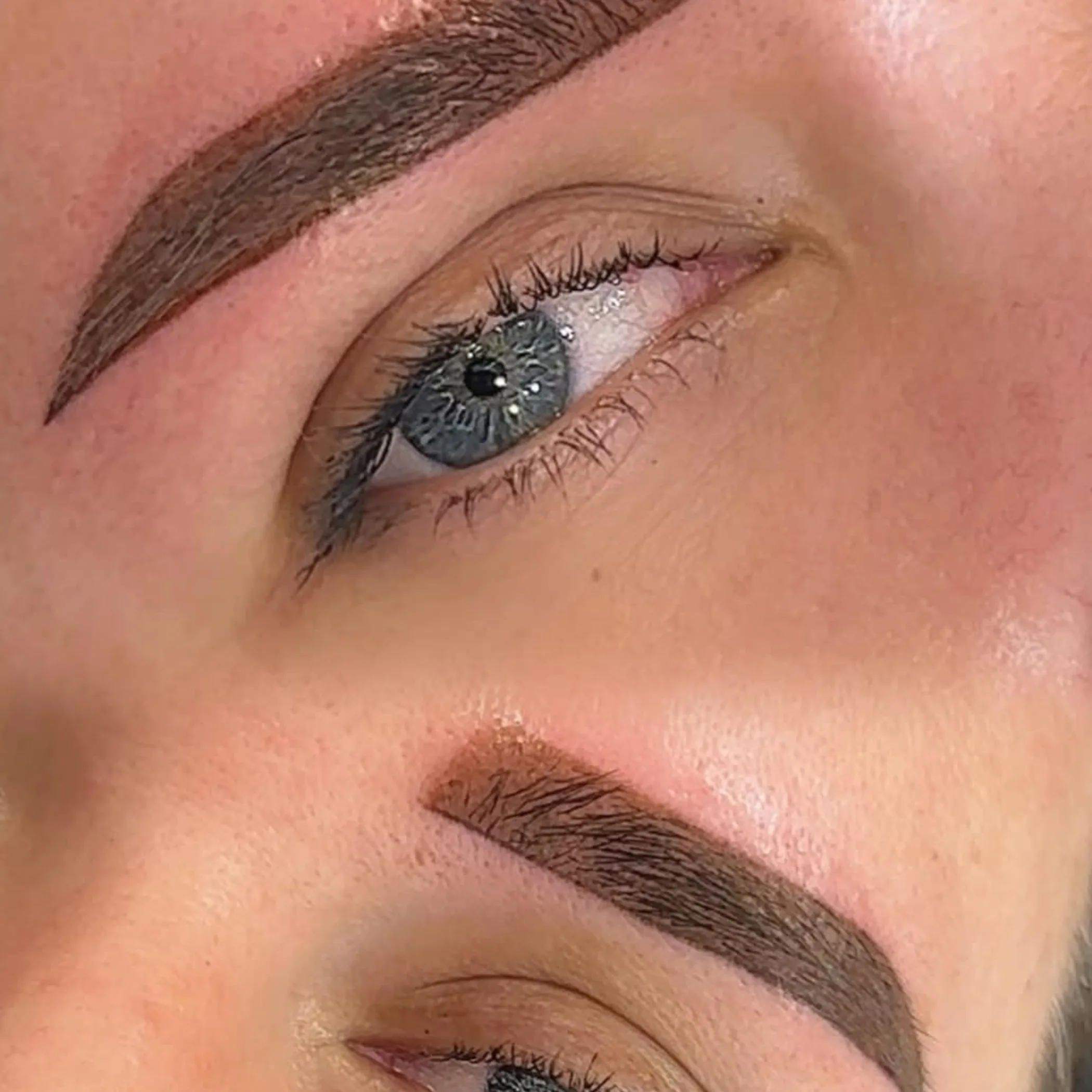
For a comparison of the compliance issues at play the table below is a useful starting point, though it is no replacement for written word from the health department or council.
| Jurisdiction | Main Compliance Focus | Practical Check |
|---|---|---|
| New South Wales | Public health, infection control and council registration for skin penetration premises | See NSW Health and the local council |
| Victoria | Registration with the council and standards for personal appearance services | Get confirmation on the rules for inspection and premises |
| Queensland | Operator obligations and controls on tattooing from local government | Review the guidance from Queensland Health and the council |
| South Australia | Local authorities handle public health and skin penetration | Make sure you know the council process prior to trading |
| Western Australia | Waste and skin penetration standards, health approval from local government | Check with WA Health |
| Tasmania | Obligations around environmental health and infection control | Put in a request to the council for registration and inspection |
| Australian Capital Territory | Premises must be in compliance with ACT Government public health | Be clear on what the health inspection entails |
| Northern Territory | Controls on body art and skin penetration from local government and public health | Check with the NT health authority |
Compliance in New South Wales
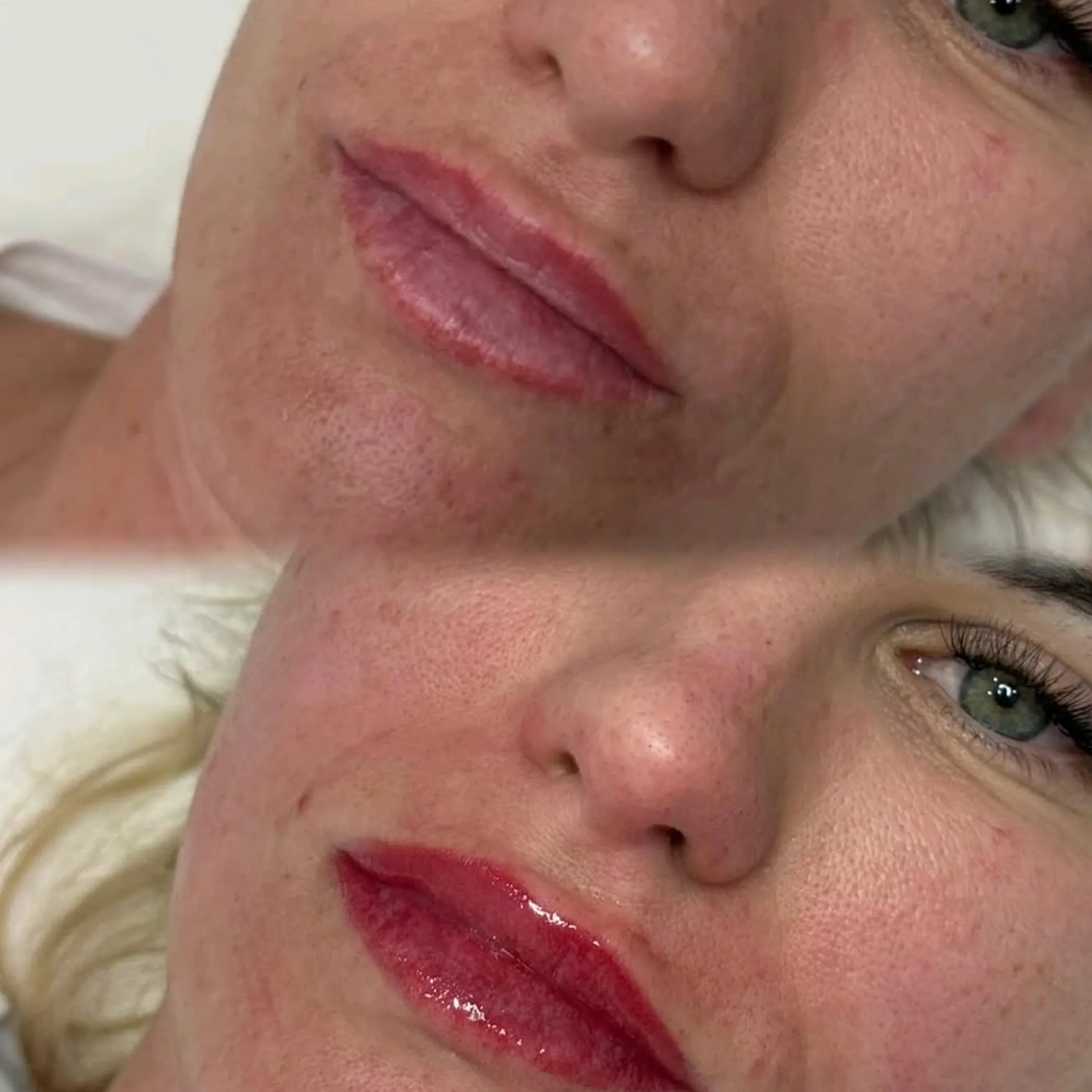
In the case of NSW, cosmetic tattooing is for the most part a matter of skin penetration regulation. Under the legal framework of the Public Health Act 2010 and Regulation 2022, NSW Health is the source for practical guidance to be had by operators and their clients.
It is incumbent on most businesses to put in place with their local council before they offer any form of skin penetration. The council will want to register the business, inspect its hygiene and assess the premises. One should not think that what has been sanctioned in inner Sydney will stand up unaltered in Newcastle; each council has its own way of doing things.
NSW Health And Councils
For an official view of public health requirements and skin penetration procedures, the information from NSW Health is a sensible place to begin. Then go to the council for the business address to see where things stand.
Among the usual demands are a hand basin of one’s own, work surfaces that can be washed down, proper storage, sharps containers and single-use needles, as well as a cleaning procedure on record. Numbing cream and topical anaesthetic must be handled with due care, with regard to any medical conditions or allergies on the part of the client and with clear instructions.
Victoria Compliance Essentials
The processes of the local council for personal appearance and public health are how Victoria tends to regulate cosmetic tattooing. Registration may be called for prior to opening for business, and there will be expectations as to waste management, equipment storage, hand washing and general cleanliness of the premises.
An artist in Victoria would do well to realise that having done a course is only part of it. To demonstrate safe practice the room, the workflow and the records have to be in order. And because registration is tied to the premises, a change of venue from a Geelong salon to a home studio in Ballarat could well mean starting the assessment all over again.
Home Salon Questions
When it comes to law at a home salon for cosmetic tattoo, there are matters of planning, strata or landlord approval, parking for clients, hand-washing and the like to be sorted out, not to mention the need to keep the treatment area separate from the household. A compliant room is more than a family bathroom sink in the hall.
Attractive pictures on social media are no measure of a business; a client would be better served to look for a workspace that is properly set aside and clean. It is worth asking the artist about his aftercare process in writing, who put the premises on the register and the disposal of needles.
Queensland Registration Basics
One finds in Queensland obligations under personal appearance services, tattooing rules and the public health controls of local government. To put registration and standards in order the business will normally turn to the council first.
Operators in Queensland should make the distinction between a matter of health compliance and one of business licensing. The Office of Fair Trading may have a role in consumer issues but it is not a substitute for the local health approval of a cosmetic tattoo service.
Travelling And Mobile Artists
Any mobile or visiting practitioner is advised to make enquiries of every council in which he works. Having the nod of a permanent studio does not extend to a hotel room, a stall at the market or the client’s house.
In Queensland the long distances and the heat and humidity have an effect on transport and storage. Contamination must be kept at bay from pigments, sterile stock and waste. Leaving a kit to rattle in a car on the Bruce Highway is hardly an infection-control plan.
South Australia And Beyond
Whether in South Australia, Western Australia or Tasmania, the operator has to follow the public health and local government route. The subject matter is much the same: the competence of the operator, control of sharps and medical waste, cleaning and a practice of skin penetration that is safe and conducted in a compliant premises.
Yet these are not to be lumped together as a single legal entity. In body art and other personal appearance services the councils will have their own terminology and forms and ways of carrying out an inspection.
South Australia Checks
Before commencing in South Australia, get in touch with the council and lay out the services in precise terms. Put forward cosmetic tattooing, lip or eyebrow pigmentation, eyeliner tattooing and so forth, not just a beauty salon. Find out if the registration is for the operator, the premises or both and what is expected in the way of a sink, sterilisation, single-use gear and the putting away of contaminated materials and sharps.
Western Australia And Tasmania
WA Health and the local government are where an operator in Western Australia should look. For those outside the metropolis the separation of Perth from regional centres can complicate supply storage, waste collection and the like.
In Tasmania it is best to speak to the environmental health team or the council before trading. The risk of infection is not diminished by the cold and a rural premises, however small, requires a workflow to match. An impressive logo is of less consequence than having cleanable surfaces and a tidy room with ready access to hand washing.
ACT And Northern Territory Rules
Practitioners would be well advised not to put stock in a checklist from Victoria, NSW or Queensland; the Northern and Australian Capital Territories run their own public health administration. For up to date registration and what is required of premises one should look to the ACT Government or the council authority in the Northern Territory.
Then there are the vagaries of the weather. The wet season in the Top End will have an impact on transport, waste collection and the state of buildings. In the Red Centre and its more remote parts medical waste and supply runs call for some forethought. And from November through April cyclone warnings in the north can put a stop to safe storage and appointments.
Remote And Regional Practice
An artist working regionally has to make allowances for protracted access to medical advice, deliveries that do not come through and a paucity of disposal services. There is a matter of protecting sterile supplies and putting in place an unambiguous process for incidents, as well as recording batch details on pigments if need be.
As for clients making the journey from interstate, let it be noted that the law is dictated by where the treatment is done. A registration or qualification from another part of the country is no guarantee of transferability across the states and territories.
Build A Safer Compliance Process
Having a workable compliance process is good for the business, the client and the artist. It lends an honesty to the consultation since matters of risk and what results can realistically be expected are put on the table before any needle is brought out.
Take the subject of age, most will be at a loss. One cannot simply say a sixteen year old is in the clear for cosmetic tattooing on the strength of a national rule. The restrictions and what is required by way of consent differ and some procedures are treated with more severity than others.
Artist And Client Checklist
- Before doing business, see that you are in order with local council and the rules of the state or territory.
- Have your approval for the premises and planning permission in hand along with any hygiene inspection.
- Be able to produce your training in cosmetic tattooing, infection prevention and control and supervised practice.
- Sharps and medical waste must be put to an appropriate service; single-use needles only.
- All of it should be put on paper: the consultation, contraindications, consent, aftercare, pigment information and any adverse event.
- Make sure the instructions for numbing cream or topical anaesthetic are heeded and risks made known.
- Where the law allows, get proof of age and nothing more in the way of consent.
The client’s best course is to put a written enquiry to the health department or council and then put a direct question to the artist. One should be able to see evidence of training, safe disposal and premises registration without having to put in the kind of legwork you would on a true-crime podcast.
Common Questions Answered
We field these misunderstandings in consultations often enough. The answer is invariably tied to the location, the client’s age, the premises and the treatment in question.
What Are The Legal Restrictions On Tattooing In Australia?
They can pertain to equipment, waste, who does the tattooing and where, consent and age. Do not think cosmetic tattooing is off the hook because it is sold as a beauty treatment or is of a subtle nature.
What Qualifications Do You Need To Be A Tattoo Artist In Australia?
You will not find one that is the same all over Australia. An artist needs to be competent and have the requisite education in cosmetic tattooing and infection control, and satisfy the jurisdictional obligations for registration and premises.
Is It Legal To Get A Tattoo At 16 In Australia?
That is for the state or territory to decide, as are the consent rules and other factors. The artist should not be taking a booking on the assumption that parental permission is sufficient for any cosmetic tattoo without first verifying the age requirements.
What Is The Legal Age To Get A Tattoo In Victoria?
Victoria has its rules for minors but circumstances and the legislation as it stands will determine the answer. Any Victorian client would do well to check with the practitioner and the proper authority in the state prior to booking, for a face cosmetic tattoo in particular.
Do Lip Blush Services Need Special Approval?
When a needle puts pigment in the skin it is a skin penetration procedure, so the legal requirements for lip blush in Australia are much the same as for any other cosmetic tattoo service. One expects to see a trained operator, infection control, age verification, compliant premises and the like.
Make The Legal Check First
While the laws on cosmetic tattooing in Australia are underpinned by public health and sound practice, the states, territories and councils have the last word on the particulars. Identify the treatment and address, make contact in writing with the authority and file the response.
Compliance is professional practice for the artist and for the client a fair question to pose before handing over a deposit. All the finest brows in the land are of little consequence if the aftercare or the room is rough as guts.
