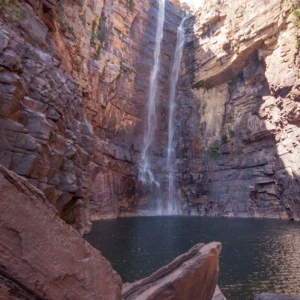
The Great Ocean Road is one of Australia’s most beautiful drives, spanning 243 kilometres along Victoria’s southern coast. A Great Ocean Road Trip has stunning views, rugged cliffs and the iconic Twelve Apostles. It’s an experience you’ll never forget. Many travellers wonder about mobile reception along the way. Staying connected is important for navigation, emergencies and keeping in touch with loved ones. Here’s what you need to know about mobile coverage on the Great Ocean Road.
Contents
Mobile Coverage Along the Road
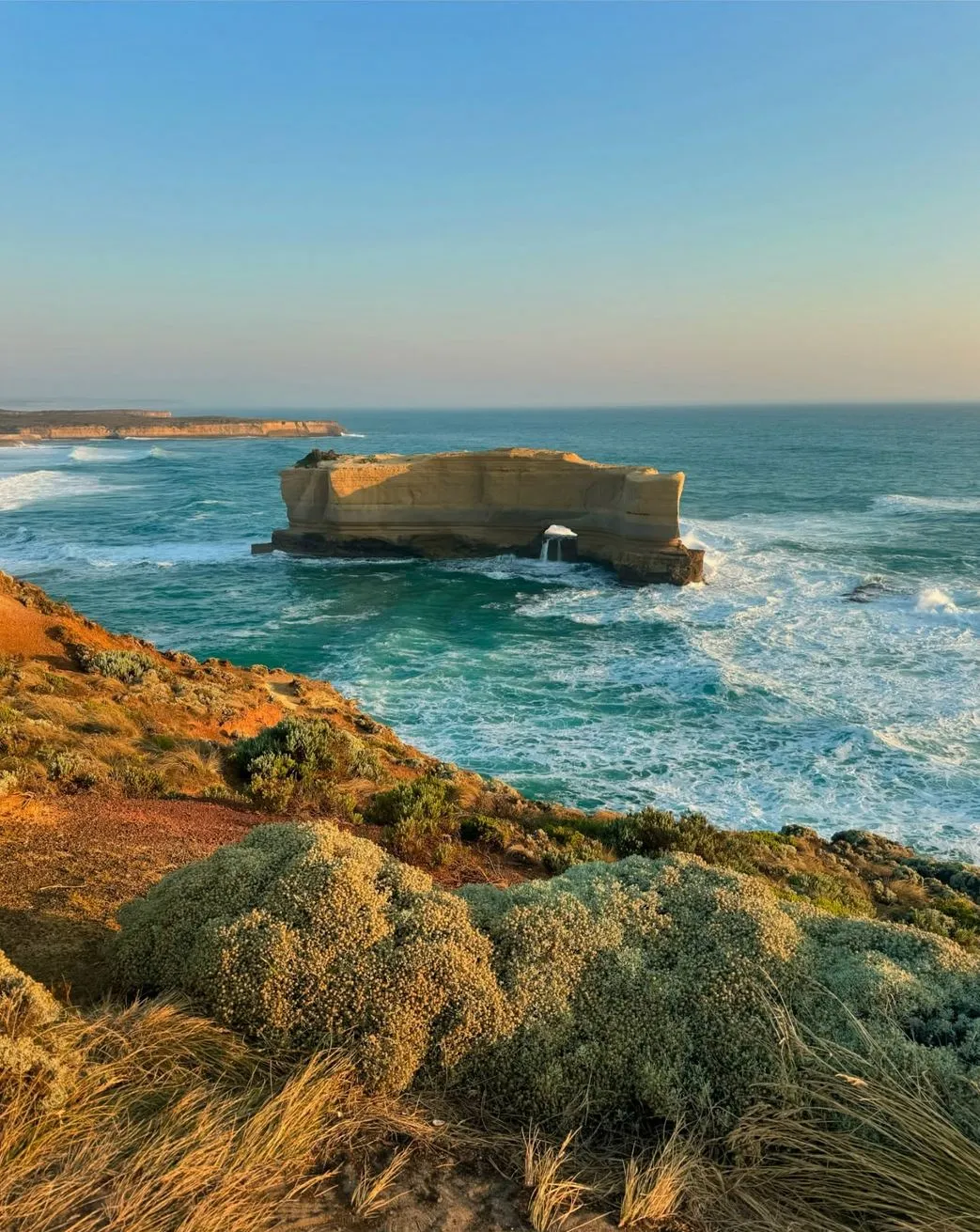
Mobile coverage along the Great Ocean Road varies greatly depending on your location, carrier and surrounding terrain. Some areas have strong coverage, others have limited or no service due to the rugged coastline, coastal scrub and dense forests. Patchy reception can be a problem in remote areas. Coverage in cities near the road is much better, but understanding mobile networks and mobile phone services along the road will help you plan your trip better.
Telstra, Optus and Vodafone Coverage
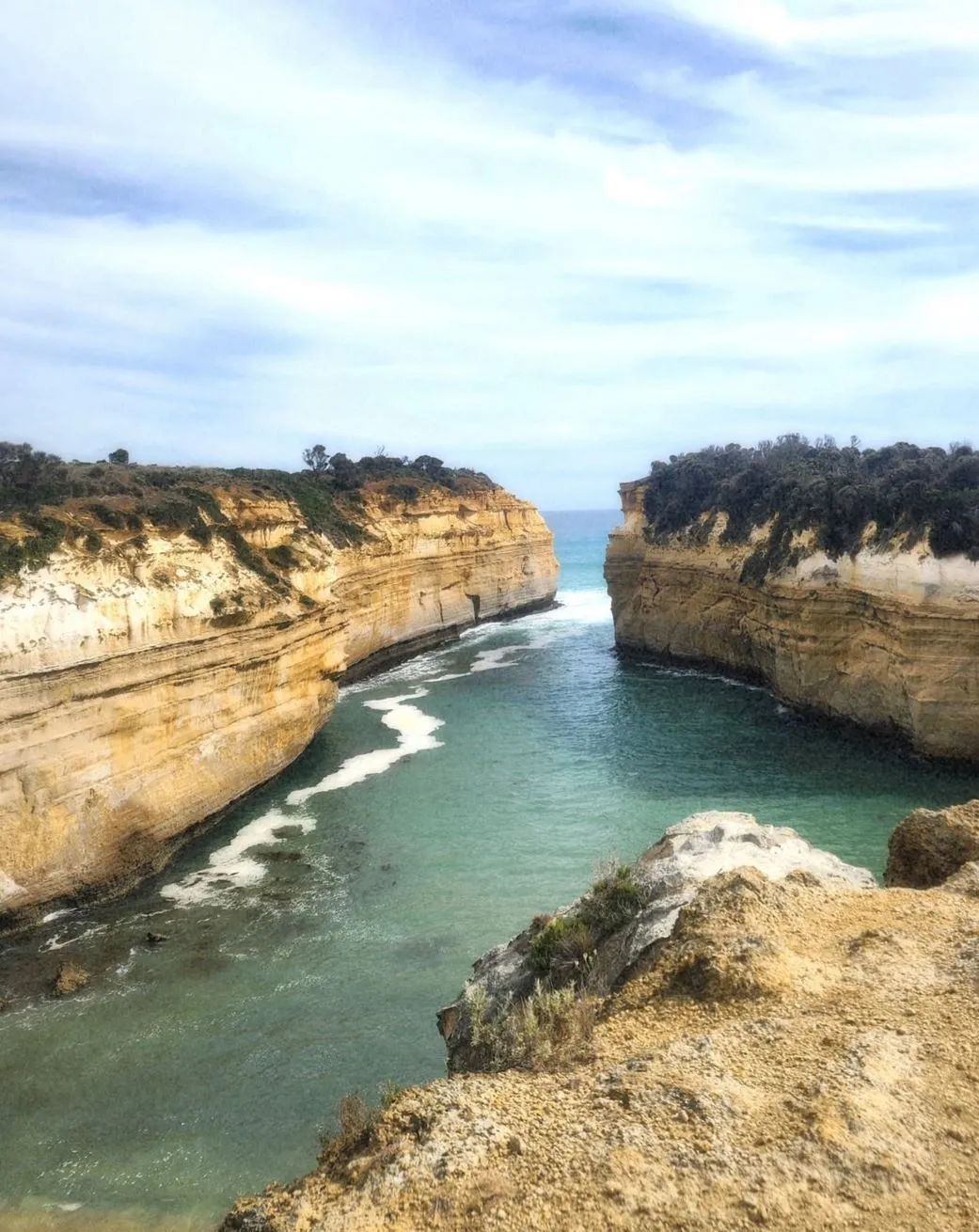
- Telstra: Has the best coverage along the Great Ocean Road, with coverage in most towns, key attractions and some sections of the sealed road. But grey areas and patchy coverage still exist in remote areas.
- Optus: Good coverage in towns like Torquay, Lorne and Apollo Bay but service is unreliable in more isolated areas particularly near coastal heathlands.
- Vodafone: Has the weakest mobile phone service along the way, with service mainly in larger towns and very limited coverage in remote areas.
Internet Coverage and Mobile Signal Strength
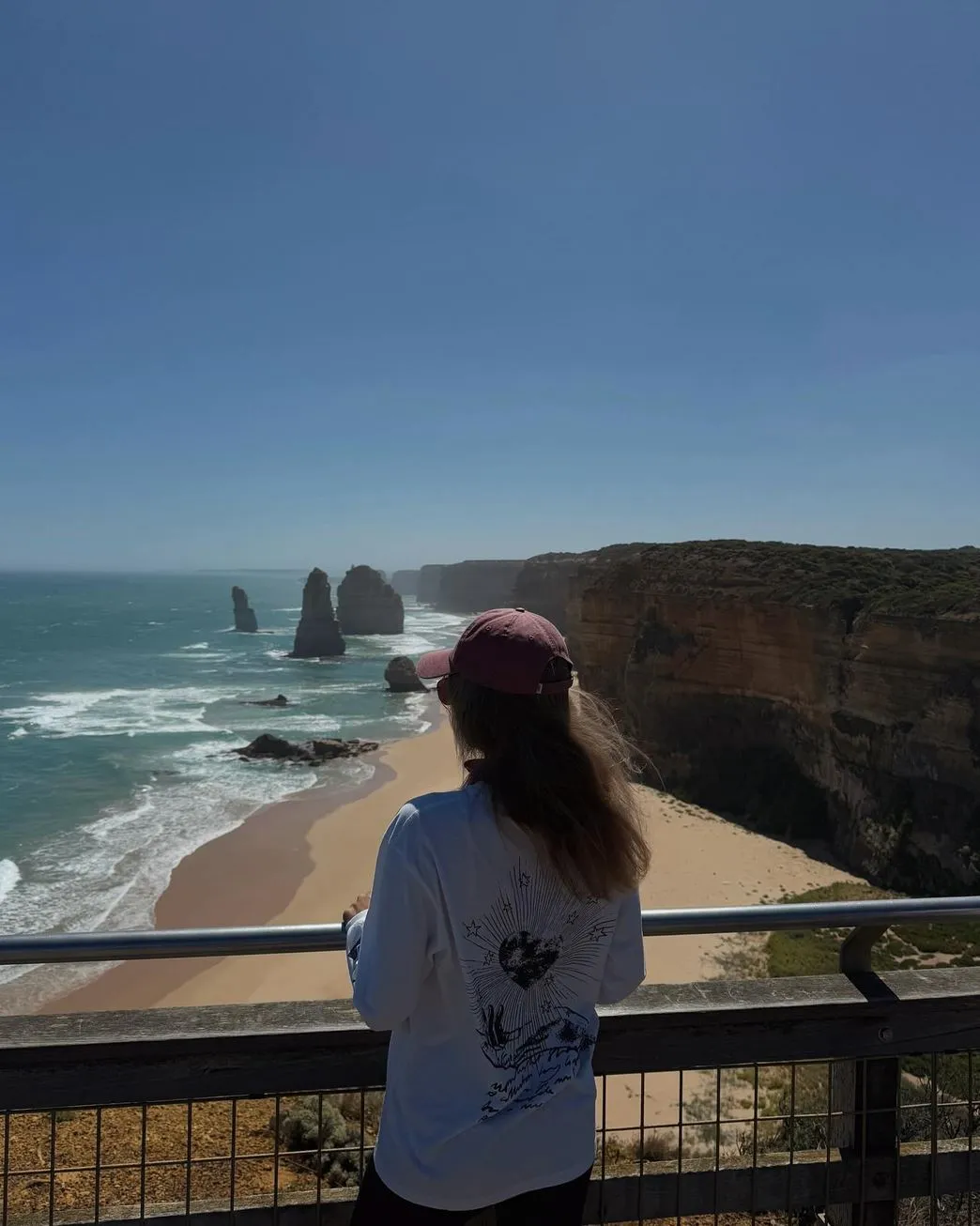
If you need internet for work or travel, note that internet speeds will vary depending on location. Interactive coverage maps and a coverage checker will help you determine the best network for you. Phone reception is strong in populated areas but weakens when you drive through national parks and coastal cliffs.
Areas With Good Mobile Reception
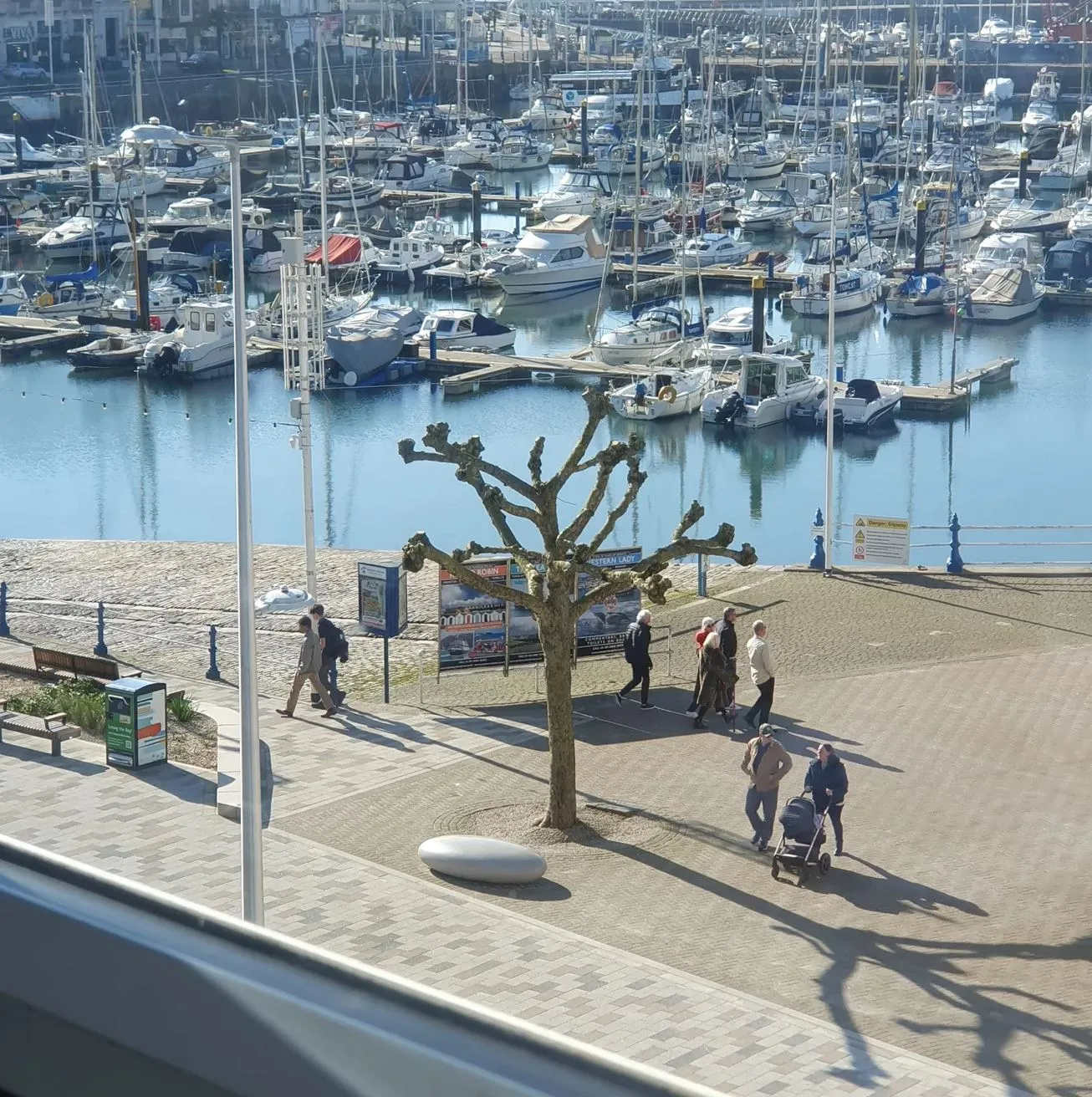
- Torquay – The starting point of the Great Ocean Road has good mobile coverage from all carriers.
- Lorne – One of the busiest tourist towns, has reliable service from Telstra, Optus and Vodafone.
- Apollo Bay – Good mobile phone reception, especially in the town centre.
- Port Campbell – Popular spot near the Twelve Apostles, has decent coverage but weak spots in surrounding areas.
Areas With Limited or No Reception

- Between Lorne and Apollo Bay – Some bits are dead zones especially near the Otway Ranges.
- Great Otway National Park – Forests, national parks and remote terrain mean black spots.
- Between Princetown and Port Campbell – Parts are patchy especially near the cliff tops.
Tips for Staying Connected
- Use a Telstra SIM – If you need to stay connected, use Telstra as they have the best mobile networks and coverage along this route.
- Download offline maps – Google Maps allows you to download offline maps in case you lose service.
- Tell someone your itinerary – Let friends or family know where you are going in case you are in a black spot.
- Carry a GPS device – A satellite-based GPS can be helpful in areas with no mobile coverage.
- Use Wi-Fi in towns – Many cafes, hotels and visitor centres have free Wi-Fi.
- Check an interactive coverage map – Use a coverage checker before your trip to see where the mobile signal is.
Additional Travel Tips
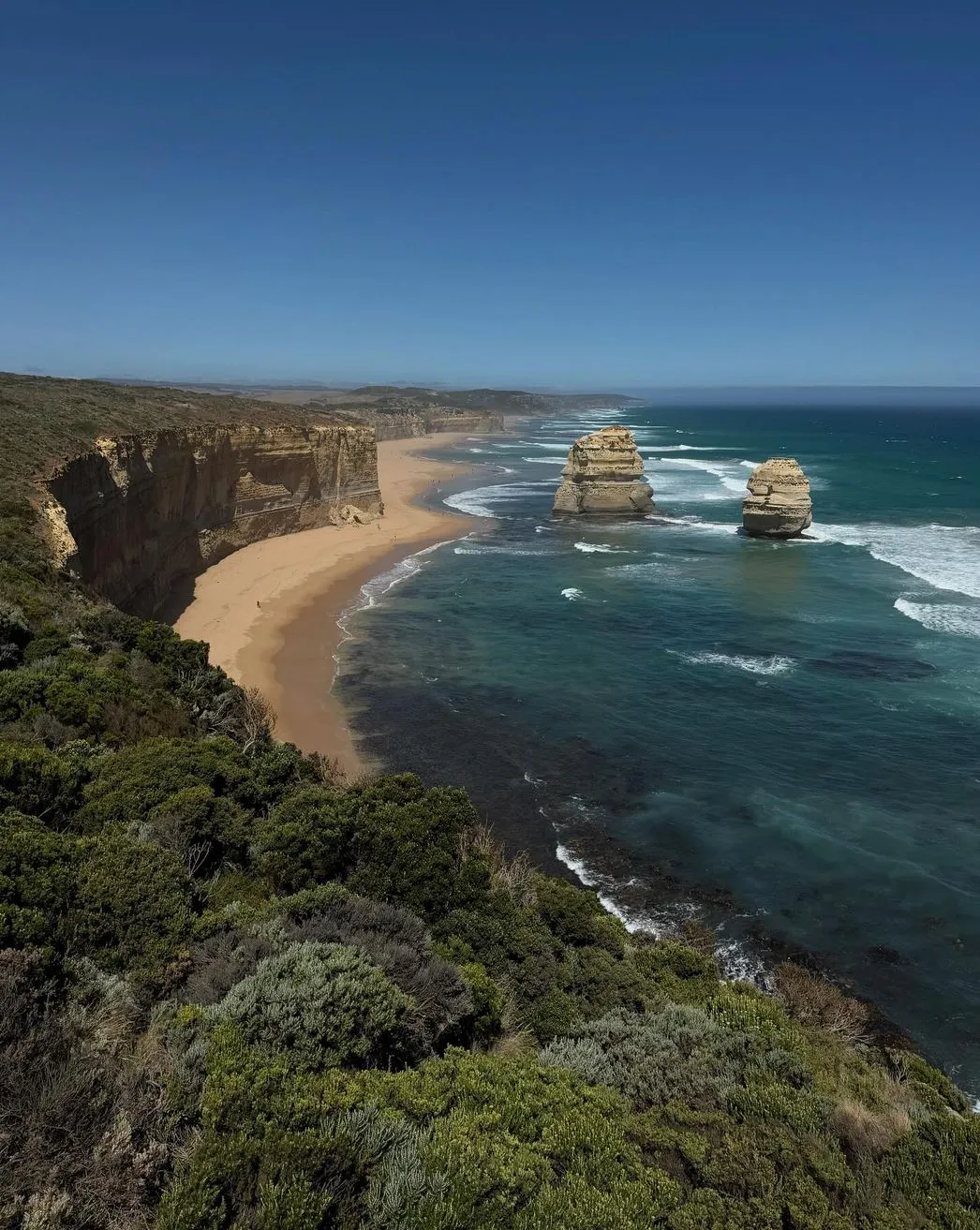
- Be prepared for cold weather and heavy rain – The coastal weather can change quickly especially on the top of the cliffs.
- Bring insect repellent – Coastal scrub and national parks have mosquitoes and flies.
- Carry extra water – Especially if you are going for a long walk or camping in campsites.
- Check the tides – If you are accessing sandy beaches and viewpoints along the coast.
- Use public car parks and shuttle bus services – Especially in busy areas with limited parking.
- Consider an inland route – If mobile reception is important to you, the inland roads may have better coverage.
- Plan your Great Ocean Road Day Trip wisely – Make sure you have all the right supplies and information and you will be fine.
- Look for designated campsites – If camping book your campsite in advance especially in popular tourist areas.
- Be aware of the fitness level required – Some hikes and viewpoints require a decent level of fitness so plan accordingly.
- Enjoy the views – Take advantage of the many viewpoints and scenic stops along the way.
- Stay hydrated with cold drinks – Many stops along the route have refreshments but it’s best to bring your own as well.
- Keep an eye out for wild koalas – Watch out for native wildlife including koalas in trees along the way.
- Check the timetable – If using public transport plan your trip in advance by checking the timetable.
- Watch out for rainwater – Some remote campsites may not have clean drinking water.
- Be mindful of the traditional owners – The Great Ocean Road has a rich Aboriginal history and culture so take the time to learn about it.
Happy travels!
FAQ
Is there mobile reception along the Great Ocean Road?
No, there is a reception in major towns but none in remote areas like Great Otway National Park.
Which mobile network has the best coverage on the Great Ocean Road?
Telstra is the best followed by Optus. Vodafone is the worst.
Is there free Wi-Fi along the Great Ocean Road?
Yes, some cafes, hotels and visitor centres in major towns have free Wi-Fi.
Can I use Google Maps without mobile reception?
Yes, you can download offline maps before you head out and navigate without a connection.
What do I do if I need help in an area with no reception?
Drive to the nearest town or high ground where reception may improve or ask other travellers for help. In an emergency a satellite phone or EPIRB can be a lifesaver.